The electrical wiring in older homes is not always visible, but its condition can have a big impact on your family’s safety. Many homes still have wiring that was installed decades ago. The electrical needs of that time were not the same as today’s. Today we have air conditioners, microwaves, computers, televisions, and many other appliances in our homes. So it’s good to know the types of wiring in old houses, especially if you are looking to buy or renovate an older home.
What Types of Wiring Are Commonly Found in Older Homes?
Knob and Tube Wiring
Knob and Tube Wiring is one of the oldest electrical wiring systems and is one of the most recognized types of wiring in old houses. It’s commonly found in homes built between 1880 and 1940. Many homeowners wonder when did knob and tube wiring stop being used. It was largely phased out in new construction after 1940. This wiring system ran separate wires through ceramic knobs and tubes. It worked when it was first designed, but it was not meant to handle the high power consumption we have today. This can create a safety hazard if overloaded.
Cloth-Insulated Wiring
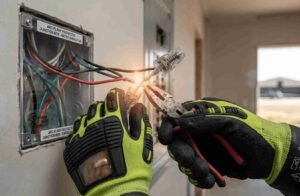
When identifying old house wiring, you will see wires wrapped in cloth or fabric. This cloth covering can dry out, break down, or become damaged over time. Many people wonder if cloth wiring is up to code. The answer depends on the condition of the wiring and the local electrical code. However, if you have old and damaged cloth wiring, it is usually recommended to upgrade.
Aluminum Wiring
Aluminum Wiring was used in many homes in the 1960’s and 1970’s because of the high cost of copper. So when you talk about electrical wiring in the 1960s, you often talk about aluminum wiring. Aluminum wire itself is not bad, but it can overheat if installed incorrectly or connected loosely. This is why regular inspection is important.
Early Non-Metallic (NM) Cable
This is known as the early version of modern cable. This type of cable is still found in many old household wiring systems. If it is in good condition, it can be used safely in many cases.
Armored Cable (BX Cable)
BX Cable or Armored Cable is a metal-sheathed cable that provides more protection than regular cable. This cable is still found in many old-style electrical wiring systems. But the safety of it depends on its general condition and the quality of installation.
Why Can Old Wiring Be Risky?
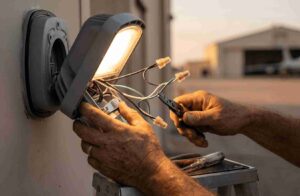
Many homeowners assume that just because the wiring works, it is safe. In reality, this is not always the case. The types of wiring in old houses were often not designed for today’s electrical usage.
Problems that can arise from old wiring are:
- Greater risk of electrical fire
- Circuit Overloading
- damaged insulation short-circuit
- Shock risk from ungrounded outlets
- Issues with using modern appliances
That’s why the question “What are the risks of outdated electrical wiring?” is so important.
How Do You Know if You Have Old Wiring in Your Home?
It’s not always necessary to open the wall to check the wiring. In many cases, some simple symptoms can give you an idea of the problem.
If you see the following signs, you may have old wiring in your house:
- Repeated breaker trips
- The outlet or switch becomes unusually hot
- Burnt plastic or a burning smell
- Light flickering
- Old outlet with two holes
- Circuit problems occur when using a new appliance
Do not ignore these signs and have them inspected by a professional electrician.
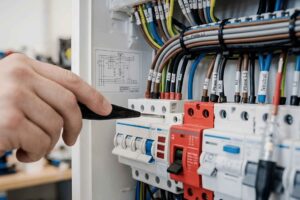
Repair or Rewiring: Which Is Needed?
Many people think that old wiring means that the entire house needs to be rewired. In reality, the matter may vary depending on the condition of the house and the types of wiring in old houses that are installed. If there is a problem in a specific part, repair may be enough. But if the old electrical wiring in the house is extensively damaged or does not meet current safety standards, then rewiring a house can be a good solution in the long run.
In particular, rewiring an old house helps reduce future electrical problems and increase the safety of the house. An experienced electrician can give the right advice after an inspection.
Main Benefits of an Old House Wiring Upgrade
Many homeowners consider wiring upgrades only as repairs. But it has many other benefits.
Types of wiring in old houses: Updating:
- Increases home safety
- Reduces the risk of electrical fire
- Easier to use modern appliances
- Improves circuit capacity
- Increases the resale value of the home
- Can be easier to get insurance approval
It’s not just a solution to current problems, it’s a good investment for the future.
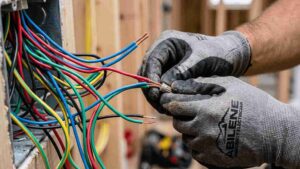
Professional Wiring Service in Abilene
If you have any problems with types of wiring in old houses, Electrician Abilene can provide you with reliable help. Our licensed and insured electricians professionally perform old wiring inspection, repair, panel upgrade, and rewiring. We always prioritize safety, quality work, and the real needs of our customers.
Electrician Abilene currently provides residential and commercial electrical service in Abilene as well as Dyess AFB, Potosi, Clyde, Merkel, Buffalo Gap, Tuscola, and Tye areas. With same-day service, upfront pricing, and 24/7 emergency support, we strive to provide fast and reliable solutions.
Protect Your Home by Understanding Old Wiring
Not all types of wiring in old houses are equally dangerous, but bad wiring in old houses is never to be ignored. Regular inspection, timely repair, and, if needed, upgrading will keep your home safer. If you have any old wiring types in your home or have any doubts about your electrical system, it is best to get a professional electrician.
Frequently Asked Questions (FAQ)