
The short answer: a light switch buzzing usually comes down to one of two things. A soft hum from a dimmer is often a mismatch between the dimmer and the bulbs, which is annoying but usually fixable. A buzz, crackle or sizzle from a regular on/off switch points to a loose or failing connection, so stop using that switch until an electrician has checked it. The Electrical Safety Foundation lists a buzzing sound from switches or outlets among its warning signs of an overloaded electrical system (ESFI), and the U.S. Consumer Product Safety Commission names hot switch plates and sizzling or buzzing sounds as reasons to have a licensed electrician look at your home (CPSC).
This guide explains why a switch buzzes, what a hot switch plate means, and what you can safely check in your Abilene home before you call.
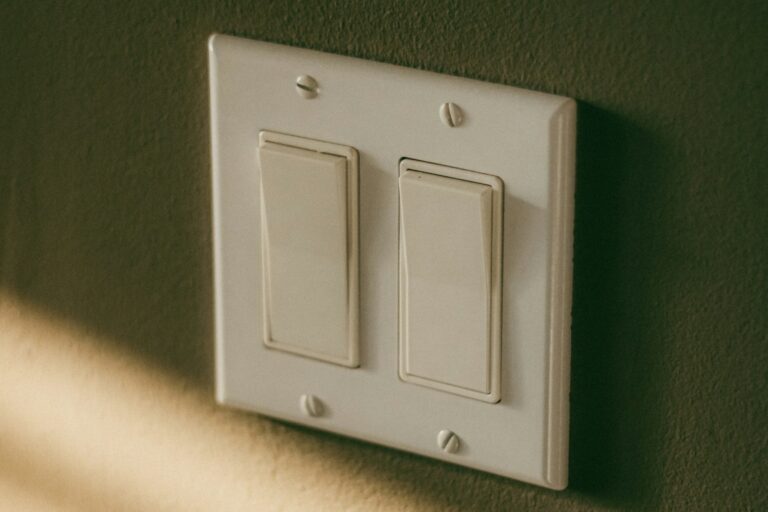
Why Is My Light Switch Buzzing? 6 Common Causes
A switch that is working properly should give you a click and nothing else. UL Solutions, the safety testing company, explains that loose parts or fraying wire can make current jump, and that jump is what you hear as a buzz (UL Solutions). Not every hum means that, though.
1. LED bulbs and a dimmer that do not match
A dimmer lowers the light by cutting away part of each cycle of your household power. A Department of Energy report explains that the repeating current peaks from LED drivers can be a major cause of audible noise in both the bulbs and the dimmer (PNNL for the U.S. DOE, 2013). The National Electrical Manufacturers Association says that when only the bulb or only the dimmer carries its LED dimming logo, the pair may work fine, but the bulb may flicker or both may hum (NEMA).
2. Too little load on the dimmer
Dimmers have a minimum load as well as a maximum. The same DOE report puts the minimum for most installed dimmers at around 40 watts, and Lutron gives that floor for its Maestro dimmers. Three 9-watt LED bulbs add up to only 27 watts. Lowe’s lists a dimmer running below its minimum load as one reason LED lights buzz (Lowe’s).
3. Too much load on the switch or dimmer
Angi notes that bulbs or a fixture drawing more than a switch is designed for can make it buzz (Angi, updated July 9, 2026). Dimmers need extra care here. The DOE report gives the example of a dimmer rated 600 watts for old-style bulbs dropping to 150 watts for LED loads. Lutron also says that when several dimmers share one wall box and their side sections are removed, each one can carry less.
4. A loose wire connection
This is the cause you do not want to leave alone. Angi says loose connections can bring on intermittent failures and heat, and it calls loose wiring a potentially serious fire risk. Flickering along with the buzz is a clue. Our guide on how to fix flickering lights helps you narrow it down.
5. A worn out switch
Older or heavily used switches can start to buzz as their internal parts wear (Angi). See do light switches go bad for the other signs of wear and how long a switch usually lasts.
6. The noise is not coming from the switch
Lowe’s points out that buzzing often starts with the bulb or fixture: a vibrating filament in an incandescent bulb on a dimmer, a ballast problem in a fluorescent or CFL light, or a loose fixture. A fan motor on a light dimmer is another suspect. Lutron’s instructions for one standard dimmer say not to use it on motor-driven appliances.
Is a Buzzing Light Switch Dangerous?
It depends on the sound and the kind of switch.
- Usually a nuisance: a faint, steady hum from a dimmer, mostly at low brightness, with no flicker and no more than mild warmth.
- Treat it as a warning: any buzz from a regular on/off switch, crackling or sizzling, a hot plate or a burning smell. Lowe’s says to call a licensed professional for persistent or louder buzzing, flickering or buzzing in the walls.
Light Switch Hot to the Touch: Warm vs Hot
Warm is not always a problem. Hot is.
Dimmers. Lutron says dimmers do get warm in normal use. A wall dimmer is about 99 percent efficient and the rest turns into heat, so a dimmer on a 600-watt load gives off about 6 watts, roughly a small nightlight. At rated load, Lutron says its dimmers stay below the 140°F UL limit (Lutron Dimming Basics).
Regular switches. UL Solutions says current may make a switch plate slightly warm. ESFI’s indoor safety booklet puts it plainly: “warm to the touch may be okay, but hot is not” (ESFI). If a plate is unusually hot, ESFI says not to use the switch, to unplug cords from any hot outlets, and to have a licensed electrician check the wiring as soon as possible. Also look for a tear-drop shaped dark mark around or above the plate, a sign of heat buildup.
Homes wired in the 1960s and 1970s. CPSC says cables installed from 1965 through the mid 1970s may contain aluminum wire, and it lists hot face plates on switches, flickering lights and a burning plastic smell at switches among the warning signs. It also warns that failing connections seldom give easy warning and that this is not a DIY repair (CPSC Publication 516). If your Abilene home was built or rewired in those years, read our guide to types of wiring in old houses.
What You Notice, What It Means, What to Do
| What you notice | What it usually means | What to do |
|---|---|---|
| Soft hum from a dimmer, mostly at low brightness | Bulbs and dimmer do not match, or the load is too small | Try dimmable bulbs of one type. If it keeps humming, have the dimmer matched to the bulbs. |
| The light buzzes but the switch is quiet | Bulb, ballast or fixture problem | Swap the bulb. If the noise stays, have the fixture checked. |
| A regular on/off switch buzzes, crackles or sizzles | Worn switch, or current jumping at a loose connection | Stop using it, turn off the breaker for that circuit and call an electrician. |
| A dimmer feels warm, not hot | Normal heat from the dimmer | Nothing, unless it gets hotter, buzzes or discolors. |
| The plate is hot or has dark marks | Heat building up at the connections | Stop using the switch and call an electrician. |
| A burning smell | Overheating plastic or insulation | Turn off the breaker if it is safe. If you see smoke or flames, get out and call 911. See what an electrical fire smells like. |
How to Fix a Buzzing Light Switch: What You Can Safely Check
None of these steps involve taking the cover plate off.
- Find the source. With the light on, listen closely. Work out whether the sound comes from the switch, the bulb or the fixture.
- Change the brightness. On a dimmer, turn the light all the way up. If the hum only shows up at low settings, a bulb and dimmer mismatch is a likely suspect.
- Swap the bulbs. Turn the light off, let the bulb cool, and try bulbs labeled dimmable. Leviton suggests dimmable bulbs of a single type on its universal dimmers (Leviton FAQ). Better still, look for NEMA’s logo on both the bulbs and the dimmer.
- Add up the watts. Compare the total bulb wattage with the minimum and maximum on the dimmer’s packaging or instructions.
- If the sound stays, stop there. Turn off the breaker for that circuit and leave the switch off. Our guide on how to reset a breaker shows how breakers work. Anything behind the cover plate is a job for a licensed electrician.
When to Call an Electrician
- A regular on/off switch buzzes, crackles or sizzles.
- The switch plate is hot, or the plate or the wall around it is discolored.
- Lights flicker along with the buzz, or the sound is coming from inside the wall.
- Your home was wired between 1965 and the mid 1970s and you do not know what kind of wire it has.
- You changed the bulbs and the dimmer still hums.
An electrician can find the cause, fit a switch or dimmer rated for the load, and check the connections behind it. See our outlet and switch repair and lighting installation pages. For budgeting, Angi puts the national average for replacing a light switch at $150, with most homeowners paying $60 to $300 depending on switch type and wiring (Angi, updated September 23, 2026). That is a national figure, not our price. We offer free estimates, and you approve the price before work starts.
Frequently Asked Questions
Why does my light switch buzz when it is turned on?
Current only flows while the switch is on, so that is when a bad connection or a mismatched dimmer makes noise. On a dimmer, check the bulbs and wattage first. On a regular switch, stop using it and have it checked.
Can a buzzing light switch cause a fire?
It can, if the cause is a loose connection. Angi calls loose wiring a potentially serious fire risk and says arcing needs prompt repair. If you see smoke or flames, leave the house and call 911.
Why do dimmer switches buzz?
A dimmer works by cutting away part of each power cycle, and LED drivers can respond with current peaks that make audible noise. A dimmer and bulbs made to work together are the first fix to try.
Is a buzzing outlet the same problem?
It is similar and just as worth checking. UL Solutions says that if you are sure the sound comes from an outlet, stop using it and call an electrician. Angi says buzzing outlets should be checked right away and advises turning off anything plugged in before you unplug it (Angi). See also why an outlet sparks when you plug something in.
Should a light switch be hot to the touch?
No. A dimmer can feel warm and a regular plate can be slightly warm, but a hot plate means you should stop using the switch and have the wiring checked.
Need a Buzzing Switch Checked in Abilene?
If a switch is buzzing, getting hot or acting up, call (325) 326-5306. Our licensed electricians work under a Texas electrical contractor license, in Abilene and the nearby towns, including Dyess AFB, Tye, Merkel, Clyde, Potosi, Buffalo Gap and Tuscola. We take 24/7 emergency calls, so if it cannot wait, see our emergency electrician page.