The short answer: the difference between a 3-prong vs 4-prong dryer outlet is one wire. A 4-prong outlet has two hot wires, a neutral and a separate ground wire. A 3-prong outlet has the two hots and a neutral, and that neutral also grounds the dryer’s metal cabinet. The National Electrical Code has required 4-conductor connections for dryers in new construction and remodeling since January 1, 1996 (GE Appliances). An older 3-prong outlet can often stay in use, as long as the circuit meets the code’s conditions for existing installations. The safe fix for a mismatch is the right cord or a properly rewired circuit, not an adapter.
Below: how to tell the two apart, when an old 3-wire setup can stay, and what changes when you buy a new dryer. If your laundry circuit was wired before 1996, check which outlet you have before the new dryer arrives.
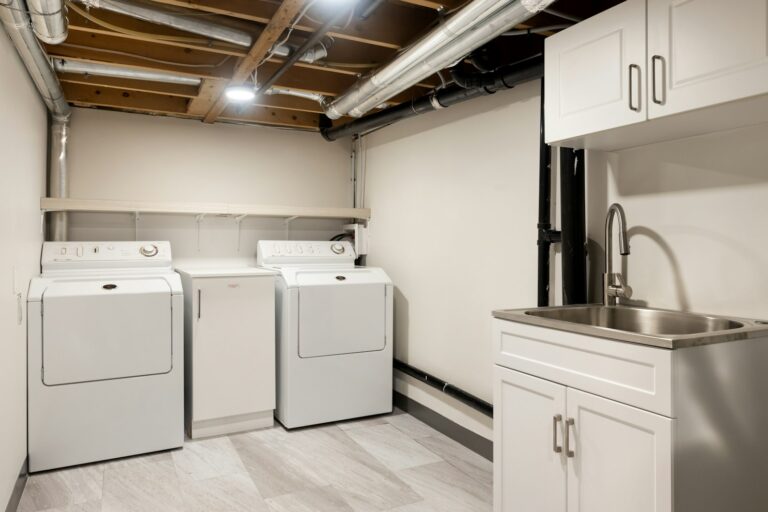
3-Prong vs 4-Prong Dryer Outlet: The Difference at a Glance
Most electric dryers run on a 30-amp, 120/240-volt circuit. Whirlpool’s installation instructions call for a separate 30-amp circuit and name the two receptacle types: NEMA 10-30R for a 3-wire connection and NEMA 14-30R for a 4-wire connection (Whirlpool electric dryer installation instructions). The quickest way to tell which one you have is to count the slots in the outlet.
| Feature | 3-prong outlet (NEMA 10-30R) | 4-prong outlet (NEMA 14-30R) |
|---|---|---|
| Wires in the circuit | Two hots and a neutral | Two hots, a neutral and a ground |
| How the dryer cabinet is grounded | Through the neutral, using a link inside the dryer | Through its own ground wire back to the panel |
| Allowed for a new dryer circuit? | No, not since the 1996 code change | Yes, this is the standard today |
| Cord you need | UL listed 3-wire, 30-amp dryer cord | UL listed 4-wire, 30-amp dryer cord |
Why the Code Moved to 4-Wire Dryer Circuits
In a 3-wire hookup, the neutral wire does two jobs. It carries normal current for the dryer, and a strap or wire inside the dryer ties it to the metal cabinet so the cabinet is grounded (GE Appliances). That works while the neutral and its connections stay sound. Fine Homebuilding’s electrical column points out the weak spot: if that shared neutral is damaged or a connection goes bad, the dryer’s housing can end up with 120 volts on it (Fine Homebuilding, 2021).
A 4-wire circuit splits those jobs. The neutral carries current, and a dedicated ground wire runs back to the panel to protect the cabinet. In 1996 the code began requiring that separate equipment grounding conductor on new dryer and range circuits (Daily Reporter, May 2022). The same Fine Homebuilding column says a working 3-wire setup is not a lot less safe; the risk comes when that shared wire or its connections fail.
Can You Keep an Old 3-Prong Dryer Outlet?
Often, yes. GE says replacement appliances in existing construction may keep using the typical 3-prong cord, while builders and remodelers cannot use 3-conductor connections on new work. The code exception for existing circuits comes with conditions. A 2022 code column in the Daily Reporter lists them, including:
- The circuit must start at the main service equipment, not at a subpanel.
- The neutral must be no smaller than 10 AWG copper or 8 AWG aluminum.
- The neutral must be insulated, or bare only when it is part of a service entrance cable that starts at the service.
The column adds that the circuit must meet all of the conditions to stay as installed. Dryer makers set their own limits too. Whirlpool’s instructions say a 4-wire connection must be used for new branch circuits, mobile homes, recreational vehicles, and anywhere local codes do not allow grounding through the neutral.
You cannot see most of this from the front of the outlet. If the outlet is fed from a subpanel, or you do not know how it was wired, have an electrician check it before you plug in a new dryer. A home electrical inspection is a good time to ask about it, and our guide to types of wiring in old houses covers other signs of an outdated system.
Buying a New Dryer? Match the Cord, Skip the Adapter
Most new electric dryers do not come with a power cord, because homes have different outlets (Maytag). Whirlpool’s parts list for its electric dryer shows no cord either. You buy a UL listed, 30-amp dryer cord rated at least 120/240 volts that matches your outlet. So the usual fix for a mismatch is simple: a 4-wire cord for a 4-prong outlet, or a 3-wire cord for a 3-prong outlet on a circuit that still qualifies.
The cord is only half of it. Inside the dryer’s terminal block, the factory link between the neutral and the cabinet has to match the hookup. In Whirlpool’s 4-wire steps, the neutral ground wire comes off the green ground screw and goes under the neutral terminal, and the cord’s own ground wire goes to the green screw. In a 3-wire hookup, that link stays in place. If this step is done wrong, the ground cannot do its job. Follow the installation manual for your exact model with the dryer unplugged, or have the installer or an electrician do it.
What about a 3-prong to 4-prong adapter? Maytag strongly recommends against dryer plug adapters and points you to the manual’s steps for changing the connection instead. An adapter cannot add a ground wire that is not in the wall. Whirlpool’s instructions also say not to use an extension cord with the dryer, and you should never cut the ground prong off a 4-prong cord to make it fit.
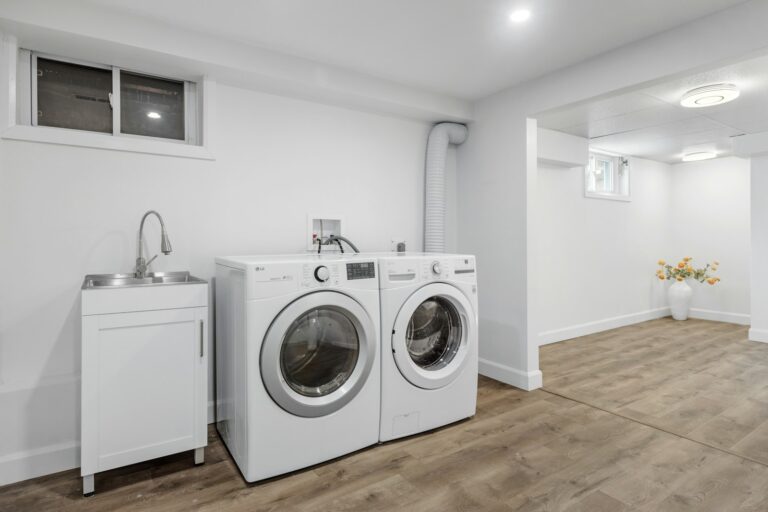
Converting a 3-Prong Dryer Outlet to 4-Prong
A true conversion adds a ground path back to the panel. In most homes that means running a new 4-wire cable from the panel to the laundry area and installing a 4-slot receptacle. Screwing a 4-slot outlet onto the old 3-wire cable does not add a ground. The Daily Reporter column says you are “not permitted to ‘bootleg’ an equipment grounding conductor” at the existing outlet box, and it notes that a 4-wire receptacle will not fit in a single gang box, so the box may need to change. In some homes, metal conduit or cable armor already in place can serve as the ground path. That is a call for the electrician on site.
Newer code editions add one more thing to check. Mike Holt’s guide to the 2023 NEC says receptacles in the laundry area of a home need GFCI protection (Mike Holt), and Schneider Electric’s 2026 guide notes that these GFCI rules cover receptacles from 125 up to 250 volts (Schneider Electric, August 2026). The 2023 edition also added clothes dryers to its list of appliances that need GFCI protection (Minnesota Department of Labor and Industry). Texas adopted the 2026 NEC as the state electrical code effective September 1, 2026 (TDLR), so ask how the current rules apply to your laundry room when you get an estimate. If your panel has no space for a new 240-volt breaker, an electrical panel upgrade may have to come first.
In Abilene, the City’s Building Inspections FAQ lists alteration, conversion, installation, repair and replacement of electrical systems among the work that needs a permit. A homeowner can get a permit for work on their own homestead after passing the City’s homeowner electrical test. Starting work without a permit can bring a Stop Work Order and an investigation fee equal to the permit fee (City of Abilene). If you are not sure whether your job needs one, Building Inspections is at 325-676-6273.
What a Dryer Outlet Job Costs
Angi’s cost guide, updated October 29, 2026, puts the national average to install a 240-volt outlet at $220, with most homeowners paying $175 to $300 (Angi). The same page lists electrician rates of $50 to $150 an hour, and a replacement 3-prong or 4-prong cord at about $30. A conversion that needs new cable from the panel costs more: wire, a new breaker, wall access and the distance from the panel all add up. Get a written price for your house. We give free estimates with upfront pricing, so you approve the price before any work starts. Our guide to how much an electrician costs in Abilene explains what else affects the bill.
Warning Signs at the Dryer Outlet
| What you notice | What it usually means | What to do |
|---|---|---|
| The plug or outlet feels hot, or looks brown or melted | A loose or worn connection is overheating | Stop using the dryer, turn off its breaker and call an electrician. See is it dangerous if a plug gets warm. |
| The plug is loose or slips out | Worn outlet contacts | Have the receptacle replaced before the loose connection heats up. |
| The dryer runs but does not heat | Part of the 240-volt supply may be off, or the problem is inside the dryer | Check the dryer’s breaker. See how to reset a breaker safely. If it trips again or there is still no heat, have the circuit and the dryer checked. |
| The breaker trips when the dryer runs | An overload, a fault in the dryer or a failing breaker | Do not keep resetting it. See why a breaker keeps tripping. |
| A burning smell, sparks or smoke | Overheating insulation or a damaged connection | Turn off the breaker if it is safe to reach. If you see smoke or flames, get out and call 911. See what an electrical fire smells like. |
When to Call an Electrician
- You are moving a dryer into a home with the other outlet type and are not sure the old circuit qualifies.
- You want a 3-wire dryer circuit converted to 4-wire, or a new dedicated circuit for a dryer.
- The outlet is scorched, cracked, loose or hot.
- The laundry room is being remodeled. GE notes the 4-conductor rule covers remodeling, not only new homes.
Work inside the panel, the outlet box or the wall is a job for a licensed electrician. Our outlet and switch repair and electrical installation services cover dryer outlets and new 240-volt circuits.
Frequently Asked Questions
Are 3-prong dryer outlets safe?
A 3-prong outlet on a circuit that meets the code’s conditions for existing installations is allowed to stay. The weak point is the shared neutral: if it is damaged or a connection fails, the dryer’s cabinet can become energized. A 4-wire circuit with its own ground removes that weak point, which is why it has been required for new dryer circuits since 1996.
Does a 3-prong dryer outlet need a neutral?
Yes. The three wires in a 3-prong dryer outlet are two hots and a neutral. What it lacks is a separate ground wire. In a 3-wire hookup, the neutral also grounds the dryer’s cabinet through a link inside the dryer.
Can I use a 3-prong to 4-prong dryer adapter?
It is not recommended. Maytag strongly advises against dryer plug adapters and says to change the dryer’s connection by following the owner’s manual instead. If the outlet and the circuit do not match the dryer, change the cord or have the circuit updated.
How many amps is a dryer outlet, and what size wire does it use?
Most electric dryers use a 30-amp, 120/240-volt circuit. Whirlpool’s instructions call for a separate 30-amp circuit and 10-gauge copper wire in the power cord and for direct wiring. Check the rating plate and manual for your model.
Need a Dryer Outlet Checked or Converted?
If you are not sure which dryer outlet you have, or whether your old 3-wire circuit can stay, call (325) 326-5306. Our licensed electricians work under a Texas electrical contractor license in Abilene and the nearby towns, including Dyess AFB, Tye, Merkel, Clyde, Potosi, Buffalo Gap and Tuscola. For a hot, scorched or smoking outlet, see our emergency electrician page. We take emergency calls 24/7.